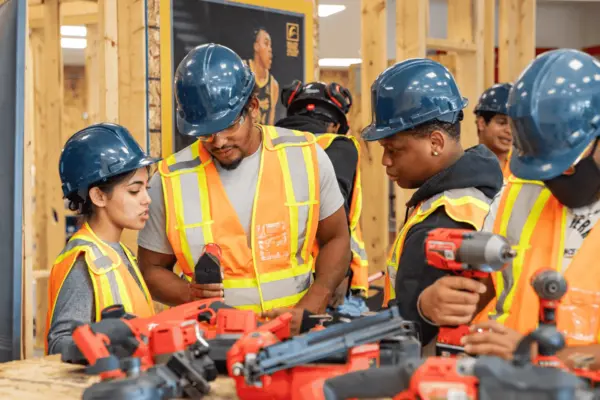
An Opportunity To Get Paid $55,000 to Relocate to the USA via the Construction Visa Program
Advertisements
Have you ever dreamed of living and working in the United States? What if you could relocate legally and get paid up to $55,000 per year, even without a college degree? Thanks to the USA Construction Visa Program, this is no longer a dream—it’s a tangible opportunity for skilled and semi-skilled workers across the world.
In this guide, we explain how foreign workers, including Nigerians, Ghanaians, Kenyans, Indians, and Filipinos, can take advantage of the Construction Visa Sponsorship Program to work and live in the U.S., earn a solid salary, and build a better future.
What Is the Construction Visa Program?
The Construction Visa Program refers to U.S. immigration pathways—primarily under the H-2B visa and EB-3 visa—that allow foreign nationals to work in construction-related jobs across America. The program is a response to a critical labor shortage in the U.S. construction industry, which is facing record demand but a rapidly shrinking workforce.
The U.S. government, in partnership with private construction companies, is now actively seeking foreign talent to fill positions such as:
Advertisements
- General laborers
- Carpenters
- Concrete finishers
- Roofers
- Heavy equipment operators
- Welders
- Ironworkers
- Plumbers and electricians
And many of these roles come with employer-sponsored visa support, paid travel, and starting salaries up to $55,000 per year—sometimes more with overtime and union benefits.
Why the U.S. Construction Industry Needs Foreign Workers
There are three main reasons:
- Aging Domestic Workforce
The average American construction worker is now over 42 years old. Many are retiring, and not enough young workers are entering the trade. - Booming Infrastructure Spending
With government bills such as the Infrastructure Investment and Jobs Act, there’s a nationwide demand for new roads, bridges, housing, and renewable energy projects—requiring thousands of skilled hands. - Labor Shortages in Key States
States like Texas, Florida, California, Arizona, and New York are facing severe construction worker shortages, making them top locations for visa-sponsored hiring.
Visa Pathways to Relocate Under the Construction Program
There are two primary visa categories that allow construction workers to enter the U.S. legally and work full-time:
1. H-2B Visa (Temporary Non-Agricultural Workers)
- For seasonal or peak-load construction projects
- Valid for up to 9 months initially, renewable up to 3 years
- Requires employer sponsorship and Department of Labor certification
- Ideal for workers looking to enter quickly and gain U.S. work experience
2. EB-3 Visa (Skilled & Unskilled Employment-Based Green Card)
- Permanent work visa leading to a U.S. green card
- Suitable for both skilled (e.g., electricians) and unskilled workers (e.g., laborers)
- Employer must sponsor and complete labor certification (PERM process)
- Slower processing but offers permanent residency for the worker and family
Both visas allow the employer to legally bring workers into the U.S., provide training, and in many cases pay for relocation costs, accommodation, and even offer bonuses.
Advertisements
What Roles Are Available in the Construction Visa Program?
| Job Title | Estimated Salary (Per Year) |
|---|---|
| General Laborer | $38,000 – $45,000 |
| Carpenter | $48,000 – $60,000 |
| Concrete Finisher | $40,000 – $55,000 |
| Roofer | $42,000 – $56,000 |
| Electrician (Licensed) | $55,000 – $70,000 |
| Heavy Equipment Operator | $50,000 – $65,000 |
| Plumber | $52,000 – $68,000 |
| Ironworker/Welder | $50,000 – $62,000 |
These roles often include health insurance, housing allowance, relocation bonus, and in some cases union protection.
Who Can Apply?
You may qualify if you:
- Are between 20 and 50 years old
- Have basic English communication skills
- Possess experience or training in any construction trade (formal degree not required)
- Are in good physical health and can pass a basic medical exam
- Have a clean criminal record
- Are ready to travel abroad and commit to full-time work
How to Apply for the Construction Visa Program
Here’s a step-by-step guide to increase your chances of success:
Step 1: Prepare Your Resume (CV)
- Highlight any experience in construction trades
- Include certifications or training, even informal apprenticeships
Step 2: Apply and Interview
Many employers now conduct interviews via Zoom or WhatsApp. Be confident, honest, and show your eagerness to relocate.
Step 3: Employer Submits Petition
If selected, the employer will:
- File for your H-2B or EB-3 visa
- Provide you with a job contract
- Help with travel arrangements and orientation
Step 4: Attend U.S. Embassy Interview
Visit your local U.S. embassy with:
Advertisements
- Visa application form (DS-160)
- Valid passport
- Job offer letter
- Medical report and police clearance
Once approved, you can travel to the U.S. and begin your new life.
Real Companies That Have Sponsored Construction Workers
Here are examples of companies that frequently hire and sponsor foreign construction labor:
| Company Name | State | Visa Type |
|---|---|---|
| Tradesmen International | Multiple | H-2B, EB-3 |
| Ceco Concrete Construction | Florida, Texas | H-2B |
| McCarthy Building Companies | California | EB-3 |
| Balfour Beatty Construction | Georgia | H-2B |
| HITT Contracting | Virginia | EB-3 |
Note: Visa availability varies by season and project. Always verify directly with the company or through legal immigration counsel.
Benefits of the Construction Visa Program
- Earn up to $55,000 per year
- No college degree required
- Pathway to U.S. permanent residency (Green Card)
- Legally relocate with your spouse and children (EB-3)
- Access to U.S. healthcare and workers’ rights protections
- Training and upskilling opportunities
Risks and Red Flags to Avoid
- Avoid agents that ask for upfront payment without verified job offers
- Never submit fake documents or certifications
- Research employers and verify visa approvals through official government platforms
- Ensure you understand your employment contract before signing
Frequently Asked Questions (FAQ)
Q: Do I need a visa before applying to a U.S. company?
No. The employer will apply for your visa if they decide to hire you.
Q: Can I bring my family with me?
Yes, especially under the EB-3 program. H-2B may allow dependents, but they cannot work.
Q: Is the $55,000 salary guaranteed?
Salaries vary by role, state, and employer, but $55,000 is within reach for most skilled positions.
Q: Are these jobs permanent?
H-2B jobs are temporary, but EB-3 jobs lead to permanent residency.
Final Thoughts
If you’re seeking a legitimate, high-paying opportunity to relocate to the U.S., the Construction Visa Program might be your golden ticket. With a growing demand for labor, competitive salaries, and employer sponsorship, now is the best time to act.
The opportunity to earn $55,000 or more annually while legally living and working in the U.S. isn’t just possible—it’s happening. Skilled and dedicated workers are in high demand, and your journey could start today.
Advertisements